Introduction
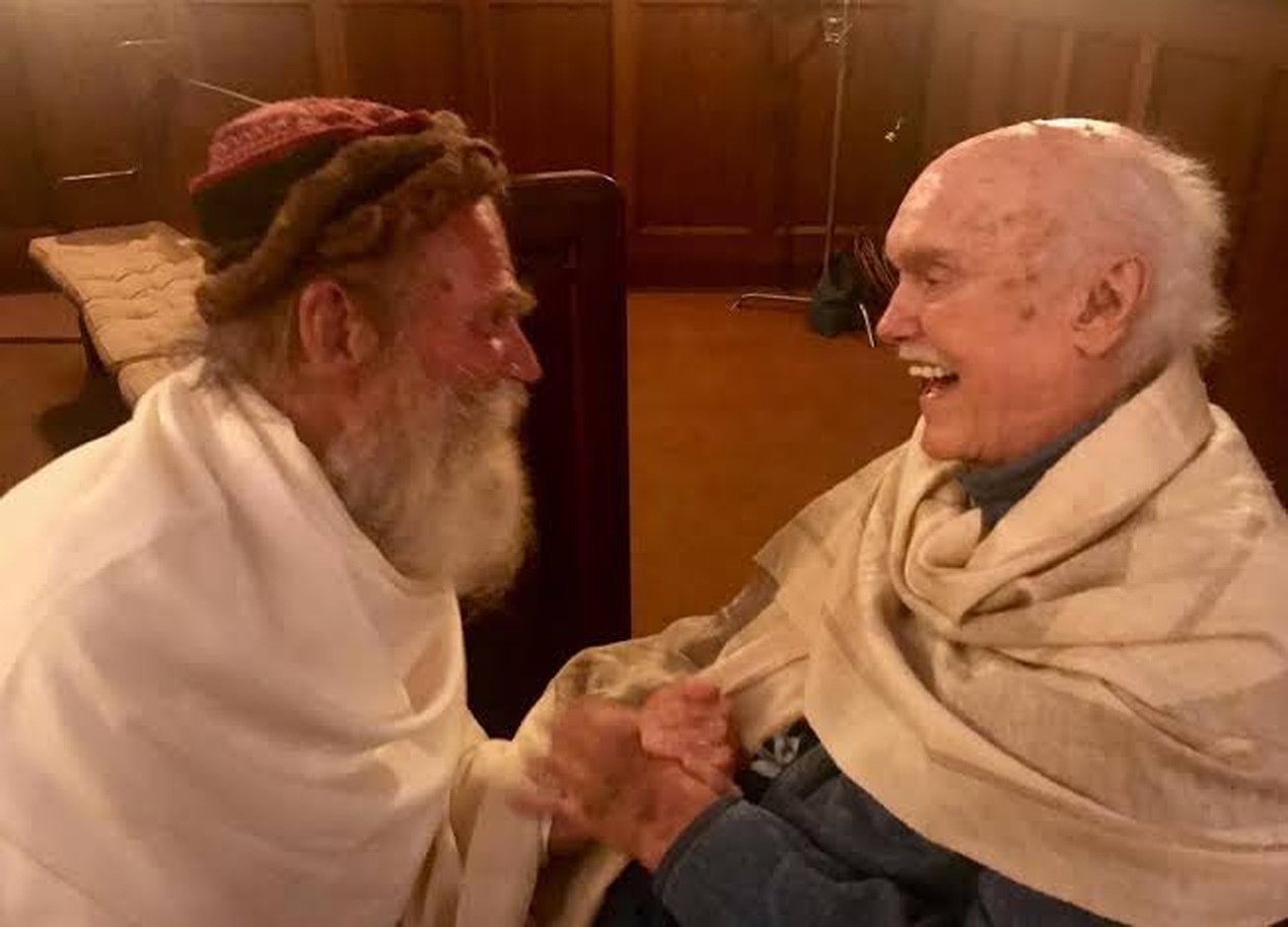
Some devotees come to a guru after a long search. Bhagavan Das, as devotees tell it, was one of them. A young American who left a comfortable life in California, he travelled through Europe, North Africa and the Middle East before reaching India as a wandering sadhu. In 1965, he met Neem Karoli Baba, whom devotees lovingly call Maharajji, and that meeting changed his life. He is remembered for a meeting he made possible: in 1967, he brought Richard Alpert — later Ram Dass — to Maharajji, helping carry Maharajji’s name far beyond India.
At a Glance
| Birth name | Kermit Michael Riggs |
| Born | 17 May 1945, Laguna Beach, California, United States |
| Known as | Bhagavan Das, bhakti yogi, kirtan singer, teacher and writer |
| Guru | Neem Karoli Baba (Maharajji) |
| Met Maharajji | 1965, as devotees tell it, after fasting, prayer and intense purification |
| Best known for | Bringing Richard Alpert (Ram Dass) to Maharajji in 1967 |
| Main book | It’s Here Now (Are You?): A Spiritual Memoir (1997) |
| Later work | Kirtan singing and teaching on Nada Yoga, the yoga of sound |
Who He Was Before Maharajji
Before he was Bhagavan Das, he was Kermit Michael Riggs, a young man from Laguna Beach in California, described as a photographer, musician and surfer. As devotees tell it, he grew restless with that life and began to look for something deeper. In 1963, at eighteen, he left California and travelled alone through Europe, North Africa and the Middle East to India. In India, Nepal and Sri Lanka, he lived simply, learned local languages and customs, met many swamis and saints, and became a devotee of Goddess Kali. By the time he met Maharajji, as devotees tell it, he was already living as a sadhu, seeking a true guru.
How He Met Maharajji in 1965
According to his own account, as retold by devotees, Bhagavan Das spent a period in fasting, prayer and intense purification under a swami’s guidance, seeking God’s grace. After that preparation, he went on pilgrimage with his swami and met Neem Karoli Baba in 1965, recognising Maharajji as his Satguru, his true guru. Devotee accounts describe his life after that meeting as a rhythm rather than one unbroken stay: time near Maharajji, then months living as an ascetic, before returning again. According to his own account, Maharajji also sent him to receive initiation from Anandamayi Ma.
His Devotion and Service
For Bhagavan Das, devotion was tied to sound. A singer before he was a teacher, he made chanting his path. Devotees describe Nada Yoga — the yoga of sound — as central to his teaching: repeating the divine names can quiet the restless mind and open the heart. His service was also practical. He travelled, sang, and guided seekers new to India, sharing his knowledge of languages, customs and holy places.
How He Brought Ram Dass to Maharajji in 1967
In 1967, during his travels, Bhagavan Das met Richard Alpert, a former Harvard psychologist who had come to India searching for a deeper truth. According to devotee accounts, Alpert chose to follow Bhagavan Das rather than continue with other travel plans, and the two travelled together in India for about three months. After that time, Bhagavan Das brought Alpert to Neem Karoli Baba, who became Alpert’s guru and gave him the name Ram Dass, meaning servant of Ram. Ram Dass later described Bhagavan Das’s role in his 1971 book Be Here Now, which introduced both men — and through them, Maharajji — to a large Western audience. Maharajji did not seek fame in the West. Devotees like Bhagavan Das and Ram Dass helped the wider world hear his name.
His Music, Books and Legacy
Bhagavan Das returned to America in the early 1970s, after about six years in India, Nepal and Sri Lanka. He became one of the early kirtan singers in America, leading evenings of call-and-response chanting in which the audience joins in singing mantras and divine names — for many Western listeners, a first living experience of bhakti, devotion through song. His recordings include AH, Now (2002), produced and arranged by Mike D of the Beastie Boys, and later collections such as The Sunset Kirtan Concert volumes, Love Songs to the Dark Lord and Mother Light: traditional chants offered not as performance alone, but as prayer. In 1997, he published his memoir, It’s Here Now (Are You?), telling of his search in India, his meeting with Maharajji, and his return to America, and stressing personal effort on the path. His legacy is therefore twofold: a devotee who kept chanting through all the changes of his life, and a link in a chain — without him, Ram Dass might not have met Maharajji when he did.
Frequently Asked Questions
Who was Bhagavan Das?
Bhagavan Das, born Kermit Michael Riggs in Laguna Beach, California, was an American bhakti yogi, kirtan singer, teacher and writer who lived about six years in India, Nepal and Sri Lanka as a wandering sadhu before sharing kirtan and Nada Yoga teachings in America.
When did Bhagavan Das meet Neem Karoli Baba?
According to devotee accounts and his own memoir, he met Neem Karoli Baba in 1965, after fasting, prayer and intense purification, recognising Maharajji as his Satguru.
How did Bhagavan Das bring Ram Dass to Maharajji?
In 1967, Bhagavan Das met Richard Alpert in India. According to devotee accounts, they travelled together for about three months, after which Bhagavan Das brought Alpert to Neem Karoli Baba, who gave him the name Ram Dass, meaning servant of Ram, or servant of God.
What is It’s Here Now (Are You?) about?
Published in 1997, it is his spiritual memoir of his search in India, his meeting with Maharajji, his years of practice, and his return to America, emphasising personal effort and presence.
What kind of music did Bhagavan Das sing?
He sang kirtan and bhajan — devotional chanting, often call-and-response, in which divine names and mantras are repeated together. His recordings range from AH to Now (2002), and devotees regard him as one of the early voices who brought kirtan to Western audiences.
Related Reading
- Disciples of Neem Karoli Baba
- Ram Dass — Neem Karoli Baba Disciple
- Neem Karoli Baba: Teachings, Stories and Kainchi Dham
- Neem Karoli Baba Books
Disclaimer
This article is a devotee-run guide, not an official ashram or trust publication. Accounts here are presented as devotee accounts, as told by devotees and in Bhagavan Das’s own memoir, not as verified history. Jai Maharajji.