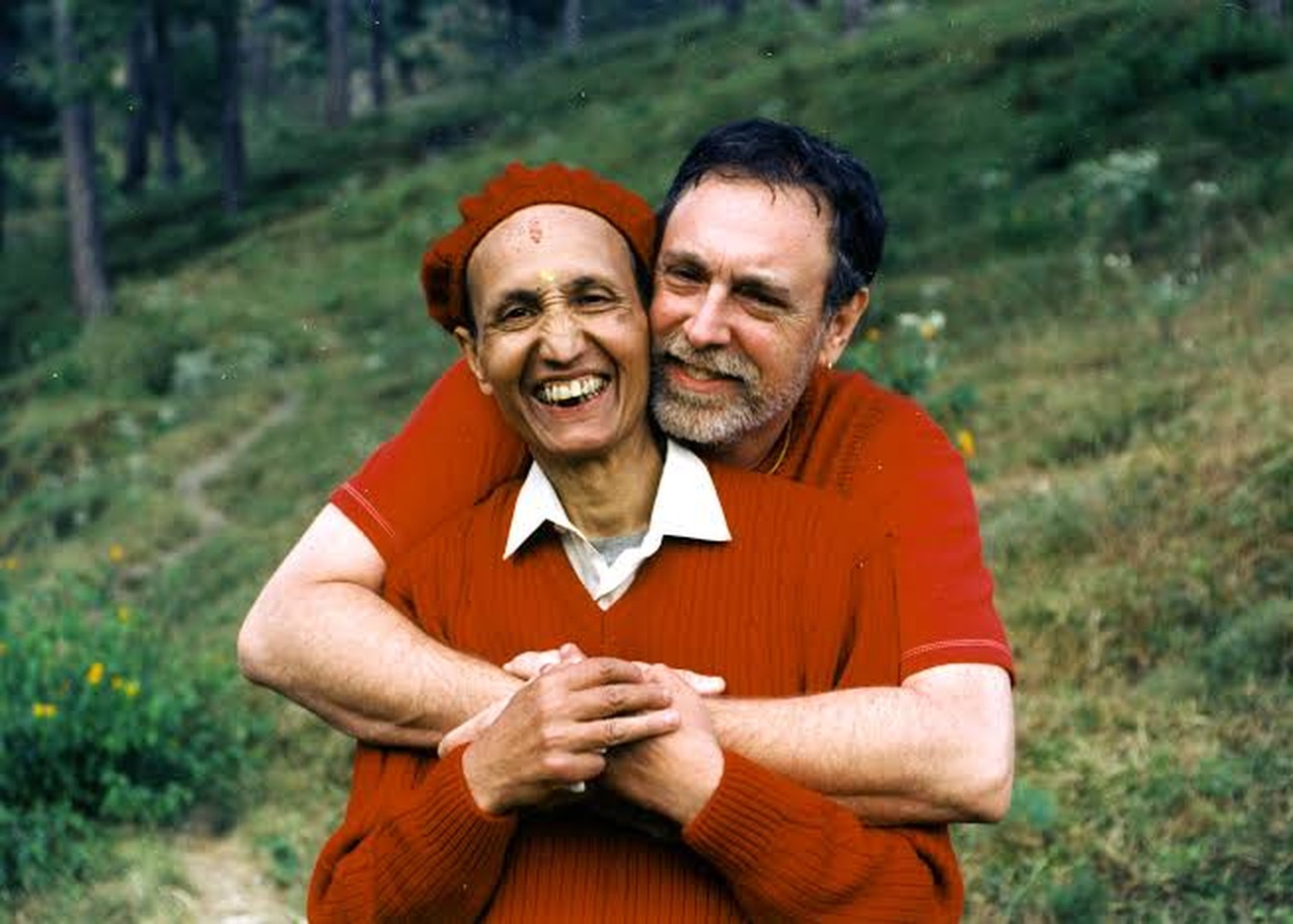
If you have ever joined a chanting circle outside India and heard a room singing the names of Ram, Krishna, or Hanuman in call and response, that sound traces back, in spirit, to a small ashram in northern India — and to a young American seeker. That American is Krishna Das, known as KD. As devotees tell it, he did not go to India with a musical plan. He went looking for a teacher, and what he found reshaped his life.
At a Glance
| Birth name | Jeffrey Kagel |
| Born | 31 May 1947, Long Island, New York, United States |
| Known as | Krishna Das, or KD |
| Guru | Neem Karoli Baba (Maharajji) |
| Journey to India | August 1970 |
| Path | Bhakti Yoga, especially kirtan — chanting the Divine Names |
| First album | One Track Heart (1996) |
| Grammy recognition | Live Ananda (2012), nominated for the 2013 Grammy for Best New Age Album |
| Book | Chants of a Lifetime: Searching for a Heart of Gold (2010) |
| Later work | Kirtans, retreats, and workshops worldwide; co-founder, Kirtan Wallah Foundation (2014) |
Before India: A Young Musician Searching for More
Krishna Das was born Jeffrey Kagel on Long Island, New York. In his late teens, according to biographical accounts, he briefly sang with a Long Island rock band, Soft White Underbelly, which later became Blue Öyster Cult. He left before the band found fame. That early taste of a rock career did not settle his restlessness. In the winter of 1968, he met Ram Dass, recently returned from India with stories of his guru, Neem Karoli Baba. As he travelled with Ram Dass in America in the late 1960s, the pull towards India grew stronger. What he sought was not a new career but a teacher — and a life rooted in devotion.
Meeting Maharajji: The Journey to India in 1970
In August 1970, Krishna Das travelled to India, following the same trail Ram Dass had taken. There, according to devotees, he met Neem Karoli Baba and became his devotee. Maharajji gave him the name Krishna Das, the name by which he has been known ever since. Devotee accounts describe those years as the turning point of his life. He spent about two and a half to three years in Maharajji’s company — sources differ slightly, so this draft uses the softer range. There his heart was drawn to Bhakti Yoga, the yoga of devotion, and above all to kirtan: the simple, repeated chanting of the Divine Names, sung together in call and response. Life around Maharajji, as devotees describe it, was about presence, service, love, and remembrance of God. For Krishna Das, chanting became prayer done together, not a performance. As devotees tell it, when he was to return to America, Maharajji asked him, in effect, how he would serve there. His answer, in his own retelling, was that he would sing.
Devotion and Service: What His Path Looked Like
Krishna Das does not present himself as a scholar or a preacher. His service, as devotees understand it, has been to keep chanting — and to make room for others to chant with him. In kirtan, one voice calls out a name or a short phrase, and the whole room answers. There is no audience in the usual sense. Everyone takes part. That spirit reflects Maharajji’s teaching, as remembered by devotees: love, compassion, humility, service, and remembrance of God. Krishna Das’s chanting is often described as warm and sincere rather than showy. He also shared stories of Maharajji in talks and retreats, giving Western seekers who could never visit an Indian ashram a bridge to a teacher they had never met.
Music, Books, and Legacy: Taking Kirtan Into Concert Halls
Krishna Das’s public singing career began in earnest in the mid-1990s. In 1994, according to his official biography, he began leading chant at the Jivamukti Yoga Center in New York City. His first album, One Track Heart, followed in 1996. From yoga studios, his work moved into concert halls. He blended traditional kirtan with Western melodies and instruments, so newcomers could still join in. He has since released well over a dozen albums, including Kirtan Wallah (2014) and Peace of My Heart (2018). His album Live Ananda (January 2012) was nominated for the 2013 Grammy Award for Best New Age Album, and he performed at the ceremony in February 2013. His best-known book, Chants of a Lifetime: Searching for a Heart of Gold (2010), gathers stories and reflections from his journey, with recorded chanting sessions. An earlier book, Flow of Grace: Chanting the Hanuman Chalisa (2007), focuses on the hymn to Hanuman, to whom Maharajji was especially devoted. In 2014, he helped form the Kirtan Wallah Foundation, a nonprofit dedicated to spreading Maharajji’s teachings. He still leads kirtans, retreats, and workshops worldwide.
Frequently Asked Questions
Who is Krishna Das?
Krishna Das, born Jeffrey Kagel in 1947 on Long Island, is an American kirtan singer and devotee of Neem Karoli Baba, known as KD.
When did Krishna Das meet Neem Karoli Baba?
According to his official biography and other accounts, he travelled to India in August 1970, met Neem Karoli Baba, and became his devotee. Maharajji gave him the name Krishna Das.
What is kirtan, and why is Krishna Das known for it?
Kirtan is devotional chanting of the Divine Names in call and response. Krishna Das took it from yoga studios into concert halls, blending traditional chanting with Western music so newcomers could join in.
Which Krishna Das album was nominated for a Grammy?
Live Ananda, released in January 2012, was nominated for the 2013 Grammy Award for Best New Age Album. He performed at the ceremony in February 2013 but did not win.
What is Chants of a Lifetime about?
Chants of a Lifetime: Searching for a Heart of Gold (2010) is his memoir in stories, teachings, and reflections, tracing his journey from seeker to devotee to kirtan leader, with recorded chanting sessions included.
Related Reading
- Disciples of Neem Karoli Baba
- Ram Dass — Neem Karoli Baba Disciple
- Sri Siddhi Ma — Neem Karoli Baba Disciple
- Dada Mukerjee — Neem Karoli Baba Disciple
- Neem Karoli Baba
- Neem Karoli Baba Books
Disclaimer
This article is a devotee-run guide, not an official ashram or trust publication. Accounts here are presented as devotee accounts, as told by devotees and by Krishna Das himself, not as verified history. Where sources differ, wording has been kept deliberately soft.