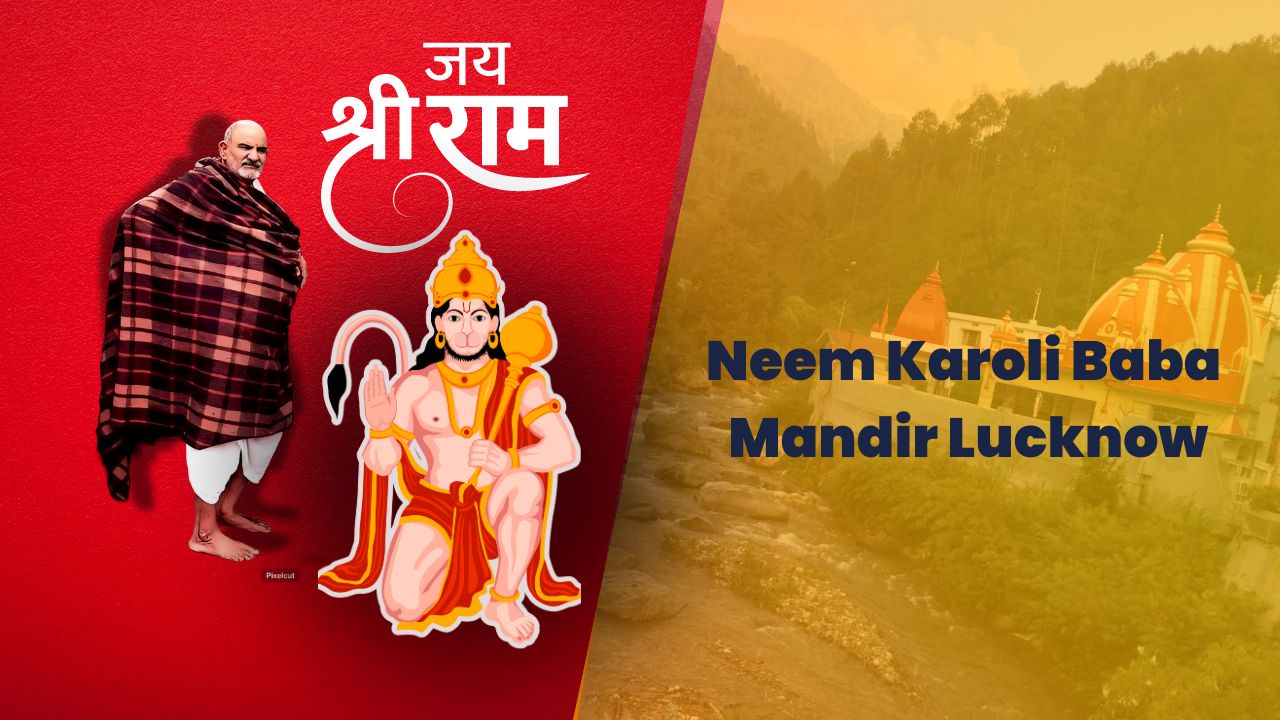

Neem Karoli Baba Mandir Lucknow Nestled beside the serene Gomati River in Lucknow, Uttar Pradesh, the Hanuman Setu Temple stands as a beacon of spirituality and devotion. This iconic temple, revered by countless devotees, is intricately tied to the legacy of Neem Karoli Baba and the unwavering faith in Lord Hanuman. Join us as we delve into the fascinating history, cultural significance, and enduring miracles associated with this sacred site.
The Origins of Hanuman Setu Temple: Neem Karoli Baba Mandir Lucknow
The Hanuman Setu Temple was established in the 1960s by the revered saint Neem Karoli Baba. This temple, dedicated to Lord Hanuman, has since become one of the most famous temples in Uttar Pradesh’s capital, Lucknow. Neem Karoli Baba, known for his profound spiritual teachings and miracles, played a pivotal role in the temple’s creation. His presence and blessings have turned this temple into a sanctuary for devotees seeking solace and divine intervention.
The Graduate Hanuman Ji: A Unique Devotional Practice
One of the most intriguing aspects of the Hanuman Setu Temple is the devotion to “Graduate Hanuman Ji.” Devotees believe that Lord Hanuman reads the letters they write to him, addressing their troubles and granting solutions. This unique practice has garnered the temple widespread fame, with countless testimonies of miraculous interventions attributed to the benevolent deity.
The Role of Neem Karoli Baba in the Temple’s Creation
In the 1960s, the Gomati River experienced a devastating flood that severely damaged the ashram of Swami Mona Nand, located near the temple site. The flood also caused significant damage to the bridge over the Gomati River, during the reconstruction of this crucial bridge, overseen by the esteemed engineer B.I. Joshi, the foundation pillars faced challenges in settling.
Local residents advised B.I. Joshi to seek the blessings of Neem Karoli Baba. Responding to this suggestion, Joshi approached Baba for assistance. Neem Karoli Baba blessed him and assured that the construction would succeed. Following the completion of the bridge, Neem Karoli Baba instructed the creation of the Hanuman Setu Temple, fulfilling a divine promise and marking the site with spiritual significance.
Architectural Splendor and Spiritual Aura
The Hanuman Setu Temple is not only a spiritual haven but also an architectural marvel. The temple’s design reflects traditional Indian temple architecture, with intricate carvings and a serene ambiance that invites devotees to immerse themselves in prayer and meditation. The temple complex also includes a small Hanuman temple where Neem Karoli Baba resided during the 1960s, adding to its historical and spiritual significance.
The Neem Karoli Baba Temple and Ashram
Adjacent to the Hanuman Setu Temple is the Neem Karoli Baba Temple, honoring the saint who played a crucial role in its establishment. The ashram of Swami Mona Nand, though damaged during the flood, remains a site of reverence. Devotees often visit the ashram to pay homage to the saint and seek blessings. The ashram and the temples together form a spiritual ecosystem, fostering faith and devotion among the visitors.
Visiting the Hanuman Setu Temple: A Divine Experience
For those planning to visit Lucknow, the Hanuman Setu Temple is a must-visit destination. The temple’s tranquil setting beside the Gomati River, combined with its rich history and the palpable sense of divinity, offers a profound spiritual experience. Whether you seek blessings, wish to witness the unique practice of writing letters to Graduate Hanuman Ji, or simply want to soak in the spiritual ambiance, this temple promises a memorable and uplifting journey.
Conclusion:Neem Karoli Baba Mandir Lucknow
The Hanuman Setu Temple in Lucknow is more than just a place of worship; it is a testament to unwavering faith, divine intervention, and the spiritual legacy of Neem Karoli Baba. Its rich history, coupled with its unique devotional practices, makes it a cherished landmark in Uttar Pradesh. As you explore the temple and its surroundings, you will find yourself enveloped in a sense of peace and divine grace, making your visit a truly transformative experience.
Topic Covered:Neem Karoli Baba Mandir Lucknow
Join Us On Instagram at 21dayneemkarolibaba
Background: Why This Temple Matters
The Hanuman Setu Temple in Lucknow is known for two things that the original post describes: its place beside the Gomati River, and the role of Neem Karoli Baba in its creation after the flood. For a reader who has not visited Lucknow, it helps to place the temple in a wider picture. Maharaj Ji is remembered for encouraging the building and restoring of temples and ashrams in many places, not as monuments, but as places where ordinary people could pray, eat, and be served. The Lucknow temple fits that pattern. It is a working temple, not a museum, and its daily life is prayer, darshan, and service.
The devotion to Hanuman Ji at this temple is also part of the story. Maharaj Ji is remembered as a devoted worshipper of Hanuman Ji, and the Hanuman Chalisa is a central prayer for many of his followers. The temple therefore brings together two strands of his teaching: love for Hanuman Ji, and practical care for people. A visitor who understands those two strands will get more from a visit than a visitor who only looks at the building.
A Simple Daily Practice
Ram Naam Jap
Ram Naam Jap means repeating the name Ram with attention. You can sit quietly for a few minutes in the morning, or repeat the name while walking or waiting. Choose a time you can keep, start with a small number of repetitions, and let the practice grow on its own. If the mind wanders, return without scolding yourself. The repetition itself is the practice.
Hanuman Chalisa
If you visit this temple, or any temple connected with Maharaj Ji, the Hanuman Chalisa is a natural prayer to carry with you. Read it slowly once a day, or listen to a recitation and follow along. You do not need to understand every line at first. A steady daily habit builds familiarity, and familiarity builds steadiness. On days when you cannot sit for long, even one careful reading is enough.
Seva
Seva means selfless service. At a temple, seva can mean helping to keep the space clean, offering food or water, assisting an elderly visitor, or supporting a community meal when you are able. The spirit of seva is to serve without expecting praise or a result. If you are at home, serve the people closest to you with the same care, and let that be your temple practice.
Practical Guide: Visiting the Temple in Lucknow
Plan your visit simply. Check the temple timings close to your trip, because local arrangements can change. Allow time for darshan without rushing, dress modestly, and follow the guidance of the temple staff. Keep your belongings simple, and keep your schedule light so that you have time to sit quietly after darshan. If you are travelling from another city, confirm your travel and stay in advance, especially on festival days and on Tuesdays and Saturdays, when temples dedicated to Hanuman Ji are often busier.
A useful way to visit is to combine the temple with the practice described above: arrive, offer your prayers, sit for a few minutes in Ram Naam Jap, and leave with one small intention for the week, such as a daily prayer time or one act of seva. A visit is most helpful when it gives you a practice you can keep at home, not only a memory of a place.
Frequently Asked Questions
Where is the Neem Karoli Baba Mandir in Lucknow? It is beside the Gomati River in Lucknow, adjacent to the Hanuman Setu Temple. Check local directions and temple timings before you travel, because arrangements can change.
What is the connection between Neem Karoli Baba and this temple? As described in this post, Maharaj Ji played a role in the creation of the Hanuman Setu Temple after the Gomati River flood, and the adjacent temple honours him. The temple is remembered as part of his work of establishing places of prayer and service.
What should I do during a visit? Offer your prayers, follow the temple rules, wait your turn, and sit quietly for a few minutes. If you can, combine the visit with Ram Naam Jap, the Hanuman Chalisa, and one act of seva.
Can I follow this teaching without visiting Lucknow? Yes. The same practice of prayer and seva can be done at home. A visit can be inspiring, but devotion does not depend on travel.
Related Reading
Neem Karoli Baba History – background on Maharaj Ji, his life, and his work establishing ashrams and temples.
Neem Karoli Baba Mandir Kahan Hai? Kainchi Dham, Vrindavan, Neem Karoli Village and More – a guide to the main places connected with Maharaj Ji.
How to go to Neem Karoli Baba Ashram from Delhi – practical travel guidance for reaching Kainchi Dham.
Facebook 21day